Burns in children are common and can happen within seconds. Scalds are the most frequent type. Quick first aid is crucial because young children have thinner, more sensitive skin that absorbs heat faster than adults. This article outlines what to do immediately after a burn, how to support healing skin, and how to reduce the risk of new scalds at home.
What are scalds in children?
A scald is a type of burn caused by hot liquid or steam. In young children, scalds are the most frequent form of burn, often occurring during mealtimes, bath time or kitchen routines.
Scald and burn statistics
According to the Children’s Burns Trust (2024), 9,244 children were burned or scalded last year. This number reflects the most serious injuries and does not include the thousands of milder burns seen in A&E (Accident & Emergency).
The Children’s Burns Trust also reports that 30 children a day are burned by hot drinks, making hot beverages one of the leading causes of preventable childhood burns.
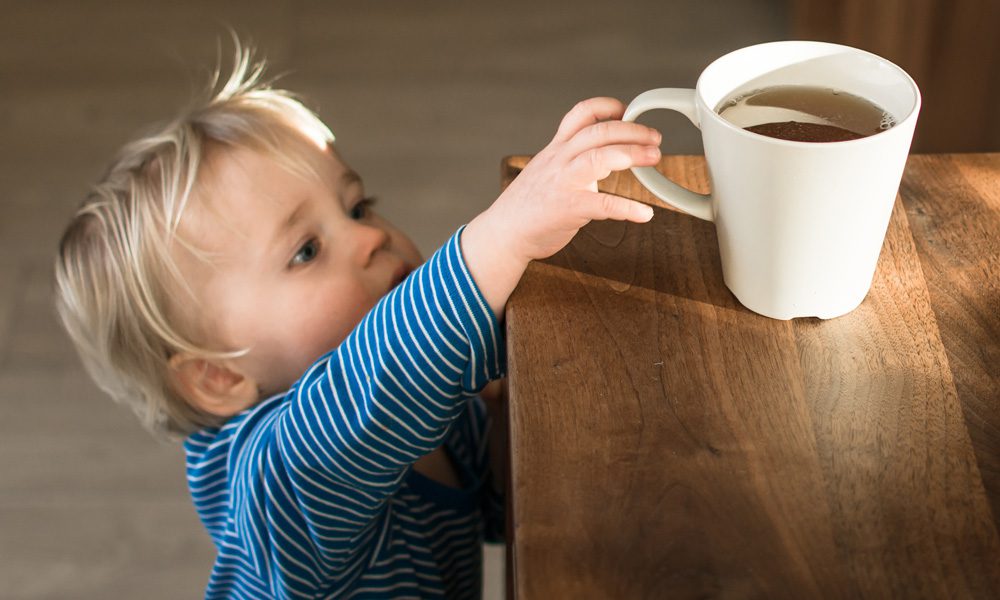
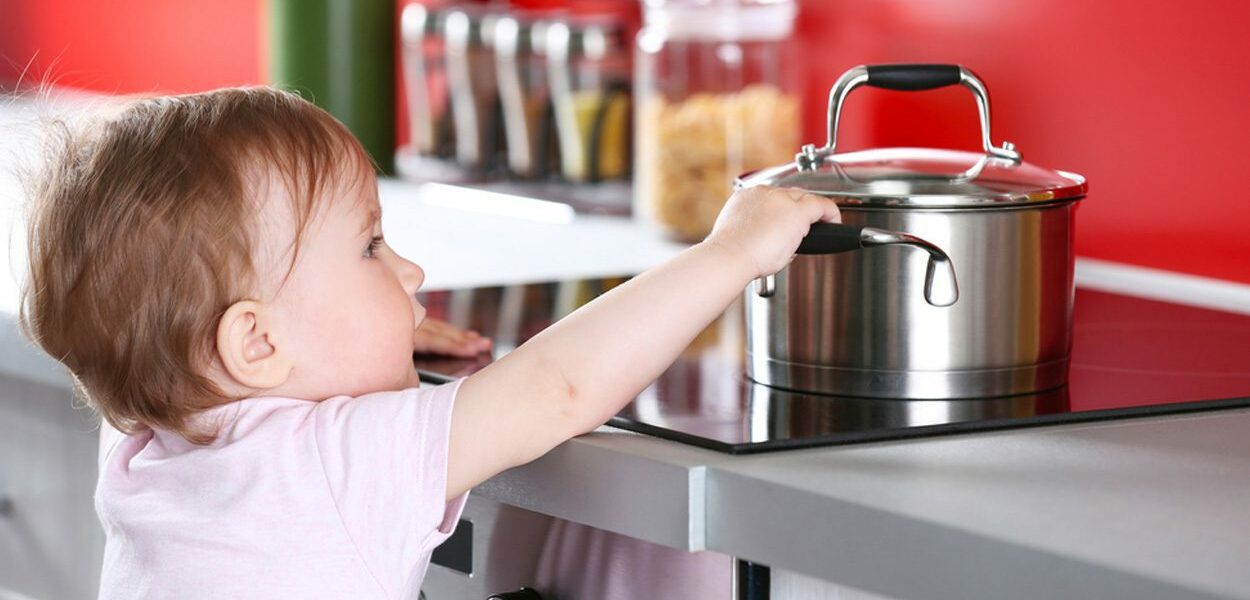
Child reaching for hot drink
Why young children are more at risk
Children under five are most vulnerable because their skin burns more quickly and they cannot reliably judge danger or temperature.
“Most children aged 4 and under who are hospitalised for burn-related injuries suffer from scald burn (65%) or contact burns (20%).”
Johns Hopkins Medicine
Simple everyday actions such as testing bathwater too soon, reaching for a hot cup or knocking over a pan can lead to a scald in seconds.
That’s why understanding how scalds happen, what to do immediately, and how to support the skin’s recovery is essential for every parent or carer.
Quick and calm first aid makes a big difference. We’ll walk you through the steps.
First aid: cool, cover and comfort
Following trusted first-aid guidelines from the NHS, British Burn Association and St John Ambulance helps limit heat damage and supports better healing.
Step 1: Cool the skin
- Cool the burned area under cool running water for 20 minutes.
- Use tap water, not ice — children’s skin is too delicate.
- Remove clothing not stuck to the skin.
- Keep the rest of your child warm while cooling only the affected area.
Step 2: Cover the burn
After cooling, cover the scald with cling film, a sterile dressing or a clean cloth. This keeps the area clean and protected. Avoid applying butter, oil, toothpaste or other household products, as these can trap heat.
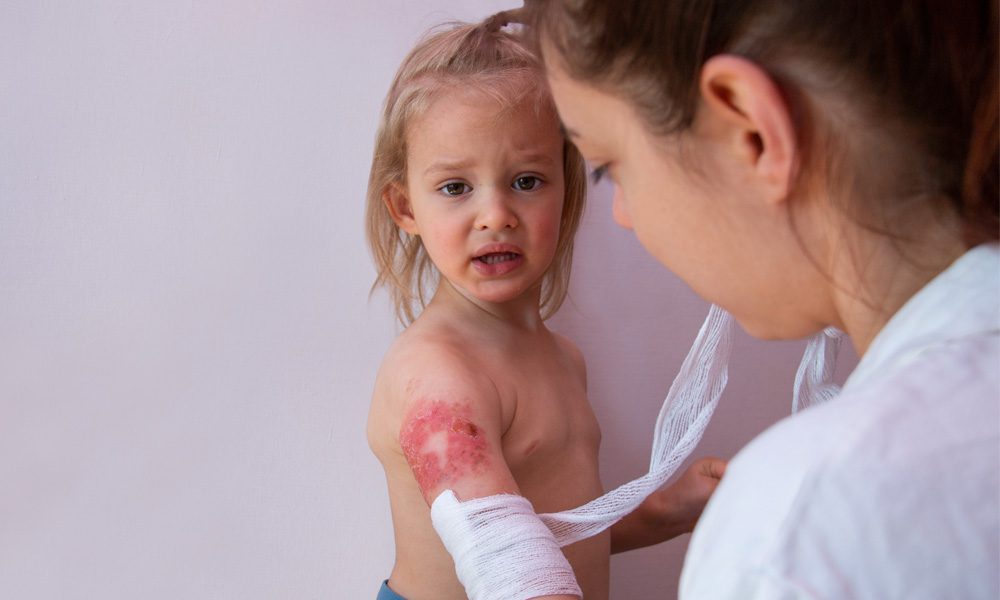
A scald can leave the skin red and sensitive. Gentle bandaging protects the area while it begins to heal.
Step 3: Comfort your child
Burns in children are painful and can be frightening. Hold, reassure or soothe your child. If needed, use age-appropriate paracetamol (only following medical guidance).
When to seek medical help
Contact a doctor, urgent care or A&E if:
- The scald is larger than a £2 coin.
- The burn affects face, hands, feet, joints or genitals.
- Your child is under five.
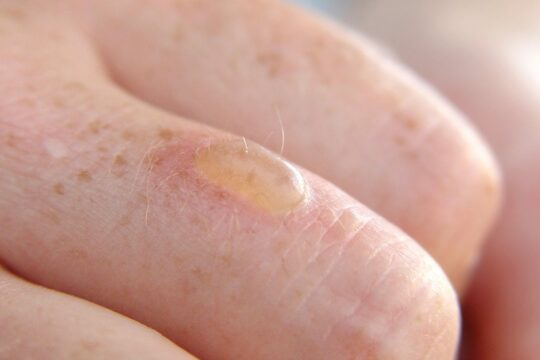
- Blisters appear.
- The skin turns white, leathery or very dark.
- Pain increases or swelling develops.
- You are unsure about the severity.
You can find more information about burn levels here:
Caring for your child’s skin
Children are more prone to scarring because their skin is thinner and still developing. Heat reaches deeper layers quickly, and healing skin can tighten or thicken as it repairs. Daily gentle care and good hydration support flexible, comfortable healing.

Healing skin after a scald can look red, dry or flaky.
Why Healing Skin Needs Extra Care
After a scald, even once the wound has closed, the skin barrier is weaker and loses moisture faster. This process is known as increased transepidermal water loss (TEWL). This often causes dryness, tightness or itchiness.
How medical moisturising creams help
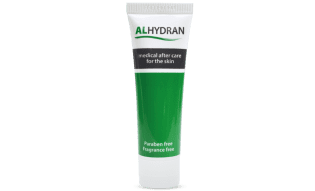
A medical moisturising cream helps restore balance by hydrating and strengthening the skin barrier. This is where a medical product such as ALHYDRAN offers added support.
Why ALHYDRAN supports burn recovery
ALHYDRAN is a medical hydrating cream designed for burns and newly healed skin. Clinical and observational studies show that its high hydration and semi-occlusive effect help stabilise moisture levels in vulnerable skin.
This supports flexibility, reduces itch and helps children feel more comfortable during recovery.
References include:
How to use ALHYDRAN safely
For babies under three months ALHYDRAN should not be used, and for children under six months it is best to check with your doctor first.
Once approved:
- Apply a small amount a few times per day (2-3 times). That helps keep the skin calm and well-hydrated.
- Use a thin layer on clean, dry, fully closed skin.
Additional support for sensitive, healing skin
Keeping the skin safe and comfortable during recovery involves a few simple daily habits. Short nails and gentle distraction, such as reading or play, help prevent scratching when the skin feels itchy.
Once a healthcare professional confirms it is safe, gentle circular massage with clean hands can support flexibility and reduce sensitivity in the healing area.
Sun protection is also important because new skin is very delicate. Keep the area covered with clothing or in the shade when outdoors and use SPF once your healthcare provider confirms it is safe.
Preventing hot water burns in children
Most hot water burns in children are preventable:
In the kitchen:
- Keep hot drinks out of reach.
- Turn pan handles inward.
- Avoid carrying a child while holding hot liquids.
In the bathroom:
- Test bathwater with your wrist or elbow.
- Always supervise young children.
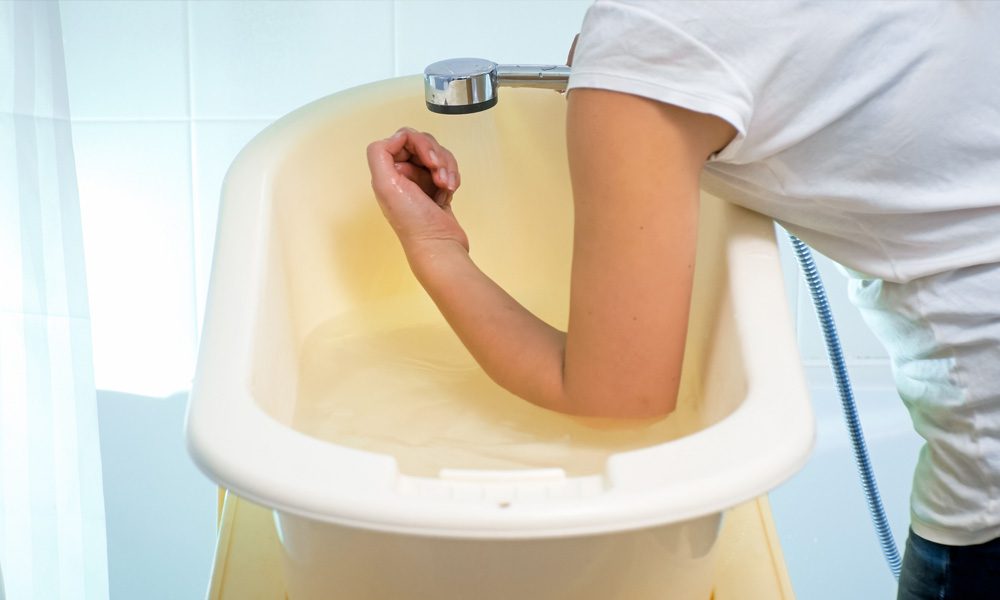
Test bathwater with your forearm before your child gets in, as young skin burns fast.
Around the home:
- Keep kettles and cords pushed back.
- Watch out for hot bowls or instant-boil taps.
Small daily habits significantly reduce risks.
Summary
Hot water scalds in children can be frightening, but with the right steps they are manageable. Cool the skin quickly, cover the area, and comfort your child.
Seek medical help when needed and use gentle hydration, protection and good daily habits to support healing.
Prevent future burns by staying mindful around hot liquids, bath time and kitchen activities.
For more information about burn care, visit Burns: causes, symptoms and treatment