Heat rash treatment: how to relieve itchy prickly heat fast
Heat rash is caused by blocked sweat glands that trap sweat in the skin, leading to red bumps, prickling and intense itching. The fastest way to relieve symptoms is to cool the skin, reduce sweating and use light, non-greasy products that cool and soothe itch without blocking pores. Heat rash, also known as prickly heat or miliaria rubra, is common during overheating but usually clears quickly when the skin is kept cool and dry.
In short:
- Heat rash itch happens when sweat gets trapped and irritates the skin.
- It often causes red bumps, prickling and intense itching.
- Heat rash usually improves quickly with simple self-care at home.
- Cooling the skin and reducing sweating is the first and most important step.
- Keeping the skin cool and dry is the main treatment.
- Use light, non-greasy, perfume-free creams that cool and relieve itch without blocking pores.
Does heat rash itch and why does it get worse?
Yes, heat rash often itches. Many people feel a sharp, prickling or stinging sensation. This happens when sweat cannot escape through the sweat ducts and leaks into the surrounding skin, causing irritation and inflammation.
The itching often feels worse:
- During sweating
- In warm or poorly ventilated rooms
- At night under bedding

Heat rash can cause severe itching.
Common signs of itchy heat rash
Heat rash usually appears as:
- Tiny red bumps or small clear blisters
- Redness on light skin, or pale or greyish patches on darker skin
- Prickling, stinging or itchy discomfort
- Mild swelling or irritated skin
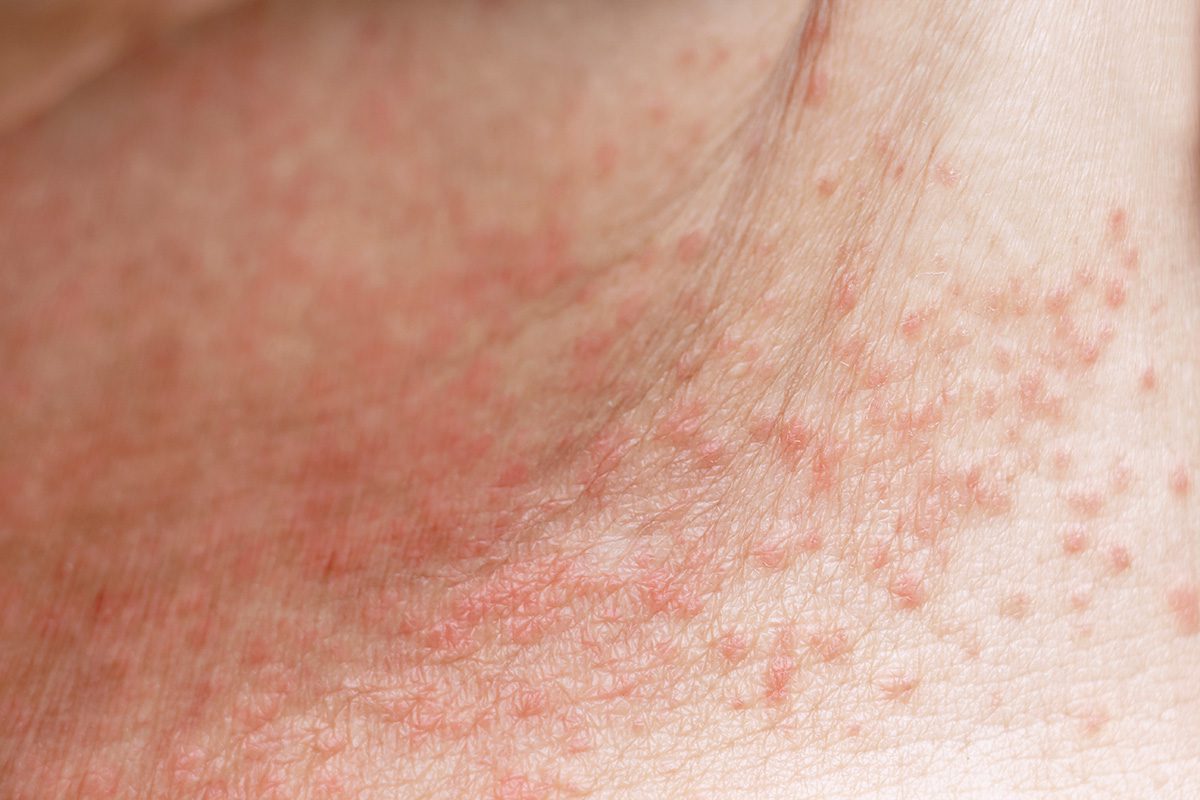
Common heat rash symptoms include tiny red bumps or small clear blisters.
How to treat heat rash at home
The most important step in treating heat rash is to lower skin temperature and prevent further sweating. This is also the first-line advice from UK healthcare professionals.
Cooling reduces inflammation and allows blocked sweat ducts to reopen, which addresses the underlying cause rather than only masking symptoms.
Helpful steps for fast relief
- Wear loose, breathable cotton clothing
- Take cool, not cold, showers or baths
- Keep rooms well ventilated or use a fan
- Apply a cool compress wrapped in a towel
- Drink enough water to support normal sweating and hydration
Avoid scratching. Scratching damages the skin barrier and increases the risk of infection. If itching is intense, gently pat or cool the area instead.
Best creams for heat rash itch
When choosing a product for heat rash, evidence-based guidance consistently points to one key principle: products should cool, soothe itch and allow heat and sweat to escape. Heavy or occlusive products can worsen symptoms by increasing heat and moisture in the skin.
The most useful products focus on:
- Immediate cooling of the skin
- Relief of itch and irritation
- A light texture that does not block pores
Cooling and anti-itch care
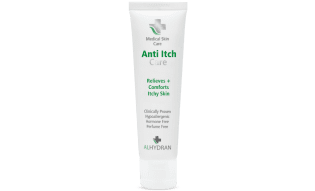
Cooling anti-itch care products play an important role in relieving heat rash symptoms. An anti-itch cream such as Alhydran Anti Itch Care contains a cooling ingredient like iCool M, which is designed to actively cool the skin while relieving itch, without blocking pores or trapping heat. Cooling helps calm irritated nerve endings and supports recovery by reducing local skin temperature.
Used correctly, this type of cooling care:
- Lowers skin temperature quickly
- Reduces itch and prickling
- Feels light on the skin
- Does not seal in heat or sweat
This makes cooling anti itch care a suitable option for heat rash, as it supports the main strategy of cooling and keeping the skin breathable.
Hydrocortisone 1% cream
Hydrocortisone can reduce redness and itching by calming inflammation. It should only be used short term and not on the face. Children under 10 should only use it with medical advice.
Antihistamines
Antihistamine tablets can help reduce itching, especially at night. They do not treat the blocked sweat ducts themselves, but they can make symptoms easier to tolerate. Some types cause drowsiness, which may help with sleep. Always follow pharmacy guidance.
What to avoid when treating heat rash
Some products and habits can trap heat and sweat, making heat rash worse. Avoid:
- Thick ointments or petroleum jelly
- Oily or greasy creams
- Perfumed soaps or shower gels
- Heavy moisturisers that block pores
How to sleep with heat rash
Heat rash itching often feels worse at night because body temperature rises during sleep. To improve comfort:
- Keep the bedroom cool
- Use light bedding
- Wear loose cotton nightwear
- Apply a cooling anti-itch product before bed
- Consider an antihistamine if advised by a pharmacist
When to see a GP or pharmacist
Heat rash usually clears within 2 to 3 days once the skin stays cool and dry. Seek medical advice if:
- The rash does not improve after 3 to 4 days
- You notice signs of infection such as pus, swelling or fever
- A baby or young child is affected
- The rash is painful or spreading quickly
Final thoughts
Heat rash is uncomfortable but usually easy to manage when the focus stays on cooling the skin and reducing sweating. Keeping the skin cool and dry helps clear blocked sweat ducts and addresses the cause of the rash.
In addition to practical measures such as ventilation and loose clothing, a cooling anti-itch cream can help relieve itching and prickling without worsening heat build-up. Breathable, non-greasy anti-itch care such as Alhydran Anti Itch Care uses cooling ingredients like iCool M to support faster symptom relief, while allowing the skin to recover naturally.