Which cream for eczema-related itch suits your skin best?
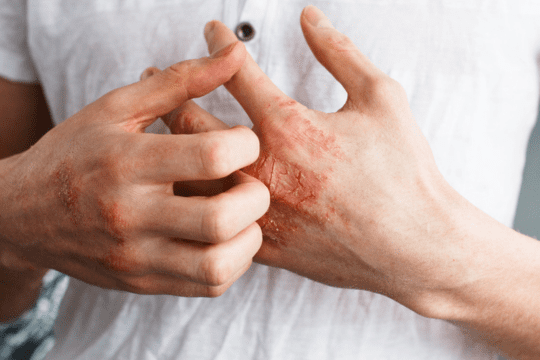
Living with eczema often means dealing with persistent itch. And that itch can be exhausting. When you scratch your skin, it reacts and the cycle continues. For some people, it can be difficult to know whether to choose a cream that supports eczema-prone skin over time or one that calms itching quickly.
In this article, we compare both ALHYDRAN options side by side. You’ll learn when ALHYDRAN Anti Itch Care is most helpful and when your skin benefits more from ALHYDRAN Eczema Care
Key takeaways
- Eczema Care hydrates deeply and strengthens the disrupted skin barrier, helping reduce dryness, redness, flakes, and itch.
- Anti Itch Care calms itching quickly with cooling Menthyl Lactate (non-irritating).
- Both creams can be combined: Eczema Care for daily use, Anti Itch Care during flare-ups with increased itching
What both creams have in common
There are three clear similarities between both creams, which help explain why they work so well for sensitive or itchy skin.
- Support for a disrupted skin barrier
Just like ALHYDRAN, both creams focus on supporting a disrupted skin barrier. A disrupted skin barrier means the outer layer of the skin no longer keeps moisture in and irritants out as effectively as it should. When this balance is disturbed, the skin becomes drier, more reactive and more prone to itching
- Based on the ALHYDRAN formula
Secondly, both ALHYDRAN Eczema Care and ALHYDRAN Anti Itch Care are based on the proven ALHYDRAN base formula. ALHYDRAN is a medical hydrating cream, originally developed and widely used for the aftercare of scars and burns.
This formula combines:
- Hydration: helps prevent your damaged skin from drying out.
- Occlusion: it helps your skin keep that moisture inside to support barrier recovery.
- Improved skin barrier function
This combination of hydration and moisture retention is scientifically supported and widely used in clinical aftercare for sensitive or disrupted skin.
Each ALHYDRAN product also contains carefully selected active ingredients to meet the specific needs of the skin concern it is designed to address.
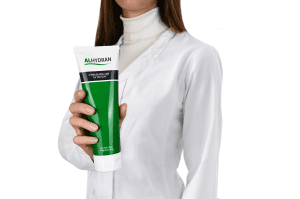
Anti Itch Care and Eczema Care are developed using the original ALHYDRAN formula.
The differences: Anti Itch Care vs Eczema Care
To understand the differences more clearly, let’s look at each ALHYDRAN cream individually.
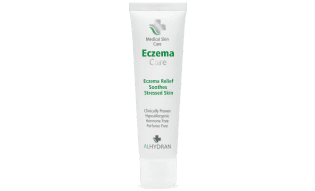
ALHYDRAN Eczema Care: calming eczema symptoms
Eczema Care is developed for people who experience repeated episodes of eczema or sensitive, irritated skin. It helps:
- Reduce eczema flare-ups
- Support skin that is sensitive and prone to redness
- Provide preventive care for irritated skin that feels itchy or flaky
- Support skin recovery when experiencingsun allergies
The formula contains urea and lactic acid to soften dry skin, along with glycyrrhetinic acid, panthenol, allantoin and arginine to soothe and support skin recovery.
In short, Eczema Care not only soothes active symptoms, but also helps protect your skin and reduce the chances of new flare-ups. It does not cure eczema, but it supports your treatment and helps extend periods without flare-ups.
Because it hydrates deeply and helps restore the disrupted skin barrier, Eczema Care also helps reduce eczema-related itch over time.
ALHYDRAN Anti Itch Care: targeted relief for itch
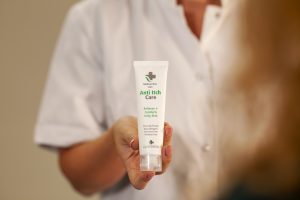
Anti Itch Care focuses entirely on reducing itch and can be used for different skin conditions that cause itching. This makes it ideal during moments when the urge to scratch becomes too strong.
The key ingredient is Menthyl Lactate, which provides a mild, pleasant cooling sensation that reduces the sensation of itching. Unlike menthol, it is gentle and suitable for sensitive skin.
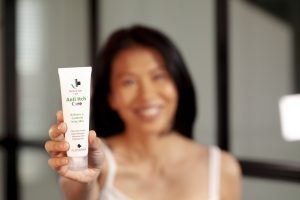
You can use Anti Itch Care alone or as extra support on top of Eczema Care.
Below you see a clear comparison table of both creams, comparing Anti Itch Cream for eczema by purpose, ingredients, and skin barrier support.
| Feature | ALHYDRAN Eczema Care | ALHYDRAN Anti Itch Care |
| Main purpose | Support eczema-prone, sensitive or irritated skin | Reduce itch quickly in different itch-related skin conditions |
| Key benefit |
|
Instantly cools and relieves itch |
| Works on |
|
|
| Key ingredient focus |
|
Menthyl Lactate (cooling, non-irritating) |
| Skin barrier support | Strengthens and protects the disrupted skin barrier | Comforts skin while supporting barrier recovery |
| When to use | Daily care to reduce symptoms and prevent flare-ups | During moments of intense or persistent itch |
| Combine? | Yes, as your base product | Yes, apply when extra itch relief is needed |
Summary
A good cream for eczema-related itch should not only calm itching, but also support the skin barrier.
- If itching is your main concern, Anti Itch Care offers quick comfort.
- If you want to support eczema-prone skin long term, Eczema Care helps improve skin balance and reduce flare-ups.
- Used together, they form a complementary routine that supports both comfort and skin recovery.
Additional questions about itch and eczema
What causes itching during eczema?
Eczema disrupts the skin barrier, leading to dryness and irritation. Nerve endings in dry skin become more sensitive, so small triggers can cause intense itching
Can I use Anti Itch Care on children?
Yes, Anti Itch Care can be used on children, with a few points to consider. Do not use the cream on children younger than 3 months. For children under 6 months, consult a physician first. For children older than 6 months, the cream is suitable for sensitive skin and for different skin conditions that cause itching.
If the itch is eczema-related, you can choose to use Anti Itch Care alongside Eczema Care during moments of increased itch.
Can I use Eczema Care on children?
Yes. Do not use it on children under 3 months, and consult a healthcare professional before use in children under 6 months. For older children, it is suitable for eczema-prone skin.
How often should I apply the creams?
Apply Eczema Care 1–3 times a day. Use Anti Itch Care whenever you need extra comfort during itch.
Does Anti Itch Care replace eczema medication?
No. Both products support your care routine but do not replace prescribed treatment. Always follow medical advice.
Literature references
- BAP Medical Group. (2024). ALHYDRAN, medical moisture retention cream for a disrupted skin barrier [PowerPoint presentation]. Internal company presentation.
- Van Leen, M. W. F., Hoeksema, H., & Schols, J. M. G. A. (2021).
MMRC (ALHYDRAN), an interesting treatment option for a disrupted skin barrier. Journal of Gerontology & Geriatric Medicine, 7, 083.