Skin conditions

Treatment and aftercare skin problems and vulnerable skin

Many skin conditions cause redness, itching, tightness or dryness. These symptoms can affect your comfort, appearance and daily activities. Although each condition has its own cause, they all have one thing in common: a stressed skin barrier.

When the skin barrier becomes vulnerable, it loses moisture more quickly and reacts more strongly to irritation. Understanding your skin condition helps you choose the right care and support the skin in a healthier way.

Below you will find an overview of common skin conditions and situations in which the skin needs extra attention.
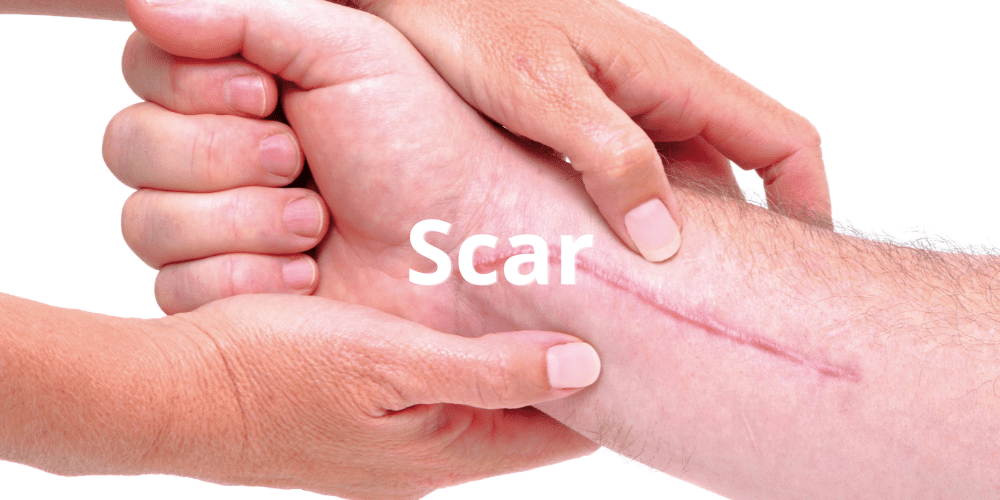
Scar

A scar often becomes dry, red or tight because scar tissue cannot hold moisture as well as healthy skin. This may lead to itching or discomfort during movement. Proper hydration helps the scar feel softer and more flexible.

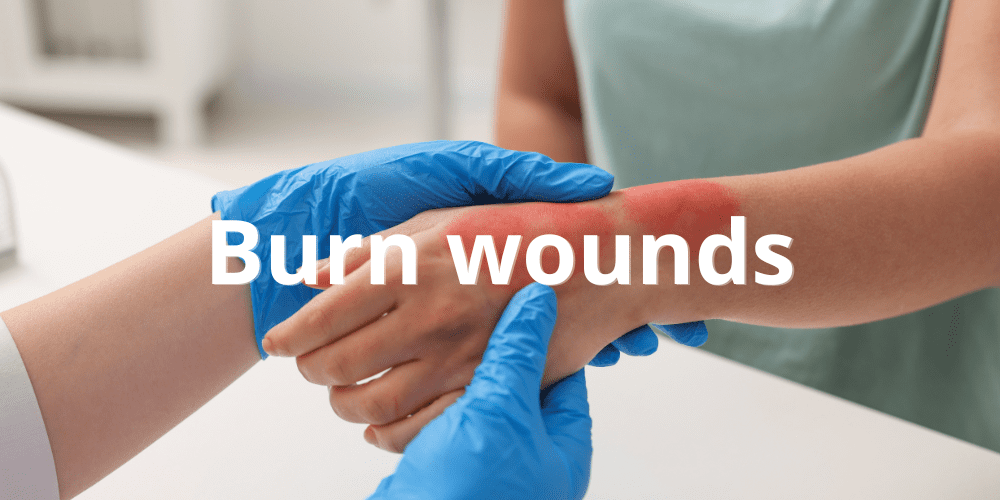
Burn wounds

After a burn, the new skin remains fragile for a long time. Redness, tightness and itching are common as the skin barrier slowly recovers. Gentle, hydrating care can help reduce discomfort and support the healing process.

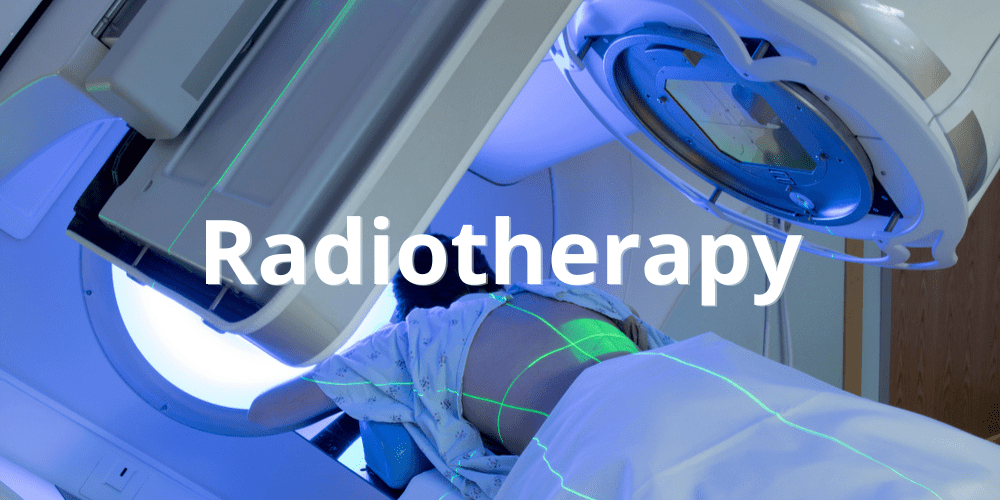
Radiotherapy

Radiotherapy can make the skin dry, red or irritated. The skin often needs extra comfort both during and after treatment. Keeping the skin well moisturised helps soothe irritation and maintain suppleness.

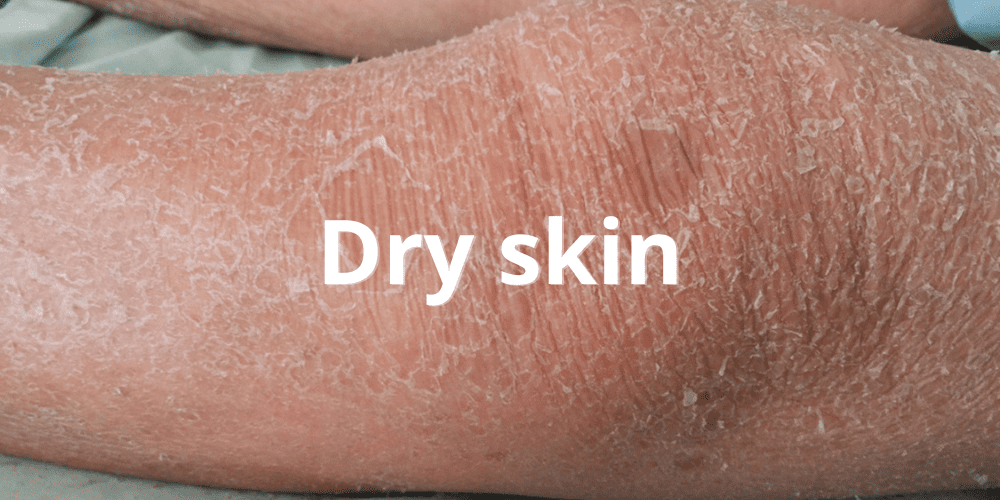
Dry Skin

Dry skin loses moisture faster than it can be replaced. It may feel flaky, rough or tight. Daily hydration is essential for restoring comfort, improving texture and protecting the skin barrier.

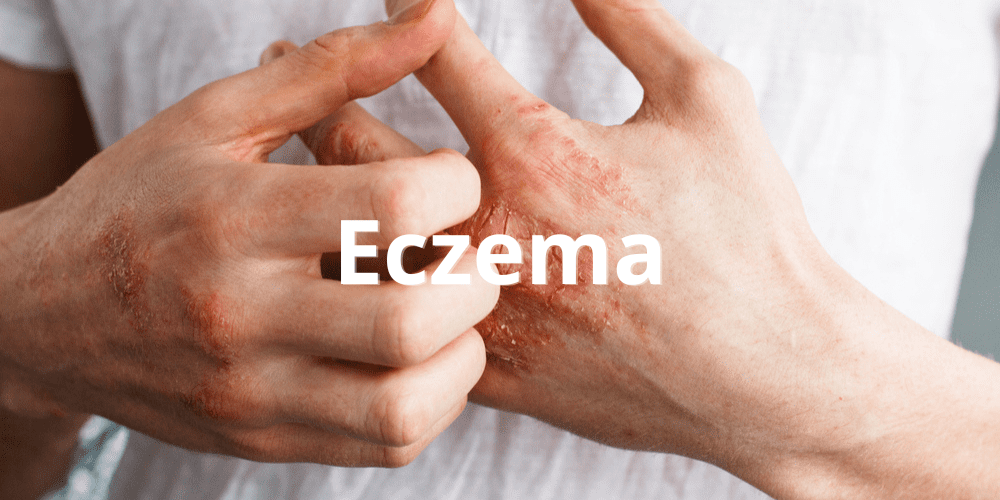
Eczema

Eczema causes red, itchy and irritated skin. Flare-ups often occur when the skin barrier is weakened. Hydration plays an important role in eczema care, helping the skin feel calmer and reducing the risk of new episodes.

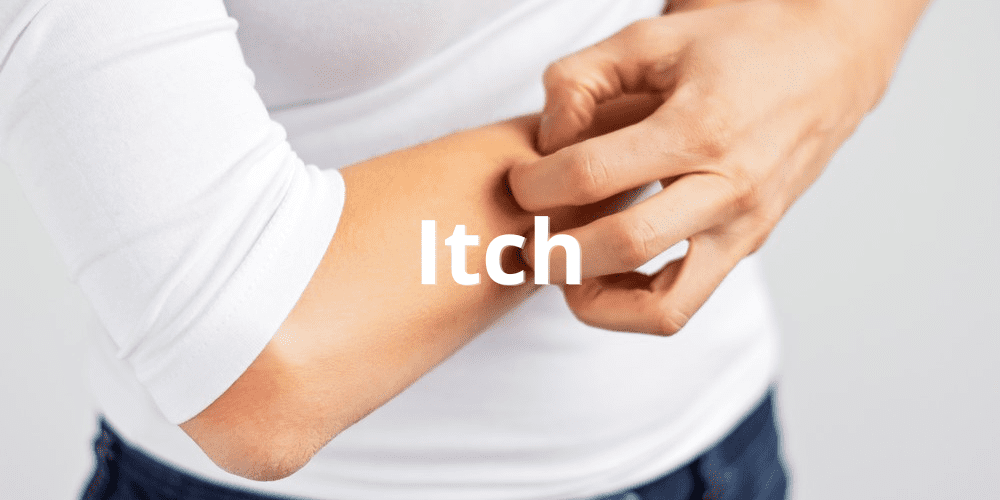
Itch

Itching can occur when the skin barrier is damaged, such as after burns, surgery, eczema or very dry skin. Scratching often worsens irritation. Softening and moisturising the skin can help reduce the urge to scratch.

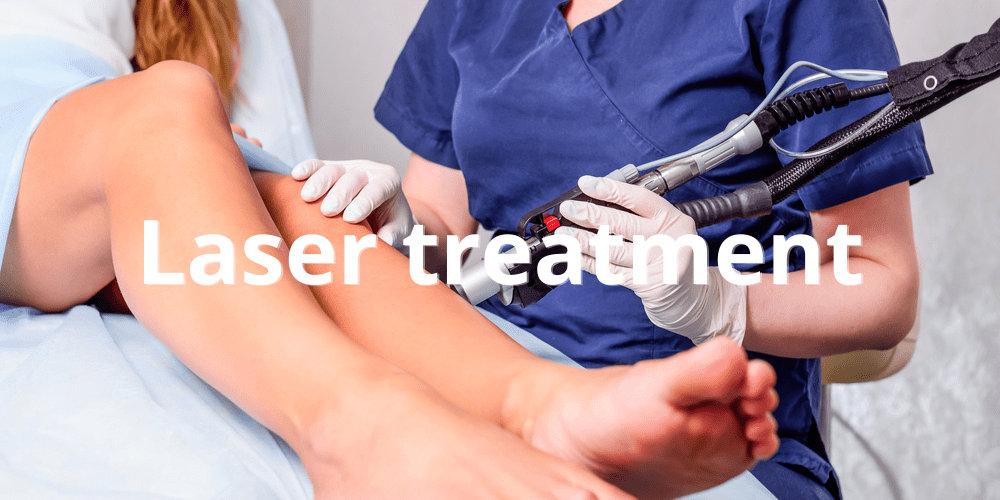
Laser treatment

After a laser treatment, the skin may feel warm, tight or dry. Proper aftercare supports smoother recovery and helps reduce redness. Hydration is an essential step in keeping the skin comfortable.

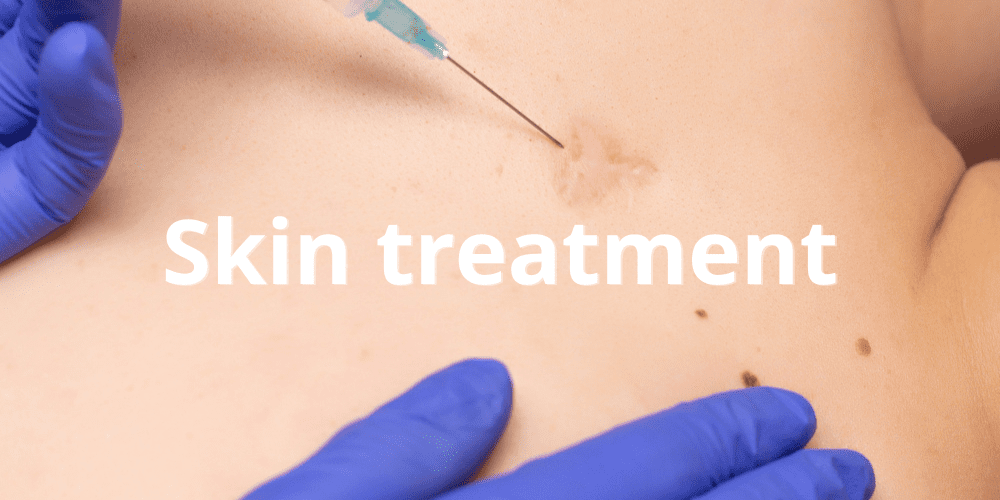
Skin treatment

Chemical peels, cosmetic procedures and other dermatological treatments temporarily weaken the skin barrier. Hydration helps soothe redness and supports faster recovery while keeping the skin protected.

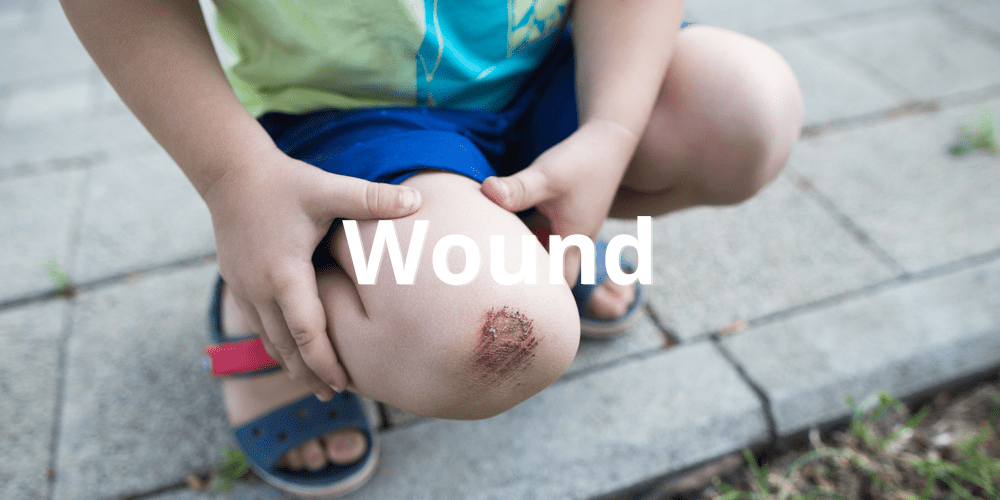
Wound

When a wound closes, the new skin is thin and vulnerable. It can dry out quickly or feel tight and itchy. Moisturising aftercare supports the skin barrier and helps the new skin mature more comfortably.

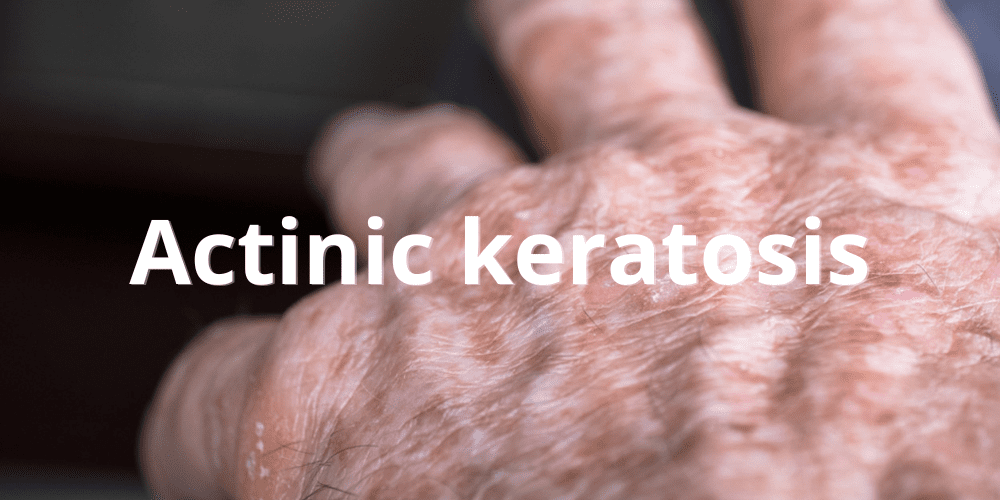
Actinic keratosis

Skin affected by actinic keratosis is often dry and sensitive after treatment. Proper moisturisation helps the skin recover and feel more comfortable during the healing phase.

Supporting vulnerable skin

Many of the skin conditions above involve a weakened skin barrier and increased moisture loss. Hydration plays a key role in helping the skin feel calmer, softer and more comfortable. A medical moisturiser such as ALHYDRAN supports vulnerable skin and is often used as part of aftercare in these situations.

The regular ALHYDRAN formula (ALF) is suitable for most skin conditions where the skin is dry, tight or sensitive. It provides long-lasting hydration that helps the skin barrier regain balance.

For conditions with more specific needs, such as eczema, severe dryness or persistent itching, the Special Care products offer targeted support. Each Special Care formula builds on the same hydrating base as ALHYDRAN, but contains additional ingredients designed for a particular type of skin problem. This makes them a helpful option when the skin requires more specialised care on top of deep hydration.

Find out more about ALHYDRAN

Scar Guide Request the free Scar Guide
Scar Guide

Free Scar Care Guide

Start caring for your scar with expert-backed guidance. Download your free guide and take the first step in scar care.

"*" indicates required fields

Consent for marketing emails
This field is for validation purposes and should be left unchanged.